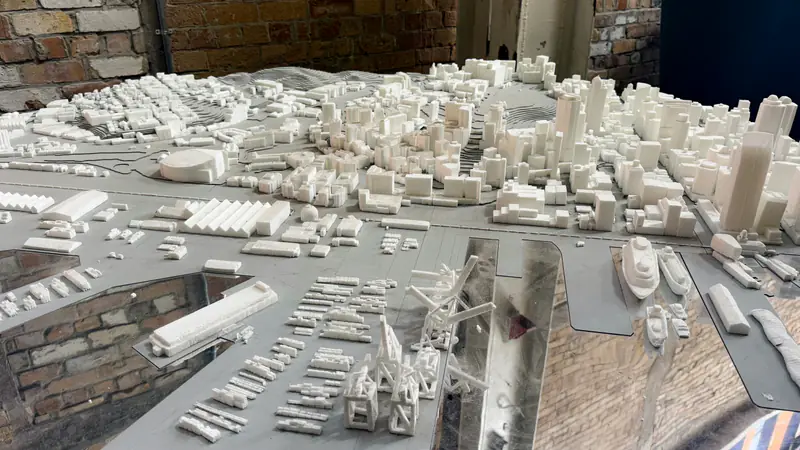
 Photo: Karori Production · Unsplash License
Fig 01 · Mirror
Copy the system
Combine open and partner data into one structured model of a place, a market or a population.
Kassandra Labs builds digital twins: data models of places, systems and societies that AI can run forward to test risks and outcomes before they happen.
Every step traceable.
IllustrativeGreece first
37.98°N 23.73°E
IllustrativeA digital twin is a data model of a real place or system: its parts, how they affect each other, and how it changes when new observations arrive. Digital twin AI runs that model forward many times, so you see a range of outcomes instead of a single guess. A twin is only as good as its data and its honesty about what it does not know.
Photo: Karori Production · Unsplash LicenseFig 01 · Mirror
Combine open and partner data into one structured model of a place, a market or a population.
Fig 02 · Simulate
IllustrativeChange one input, such as heat, rainfall or turnout, and see how the rest of the system responds.
Fig 03 · Foresee
IllustrativeGet likely ranges with stated uncertainty and sources, not a single confident guess.
Every twin starts from a specific question asked by a real user: a planner, a researcher, a municipality or a business. These are the five areas we are starting with, from wildfire and flood risk to population change and climate risk for business. Early pilot partners shape this list.
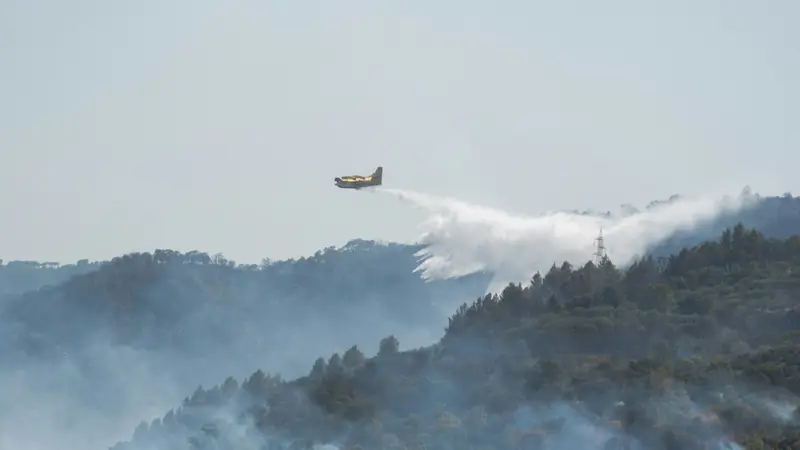
Wildfire, flood, heat and earthquake scenarios for planners and responders.
Model how opinion and participation might shift, for research and public debate.
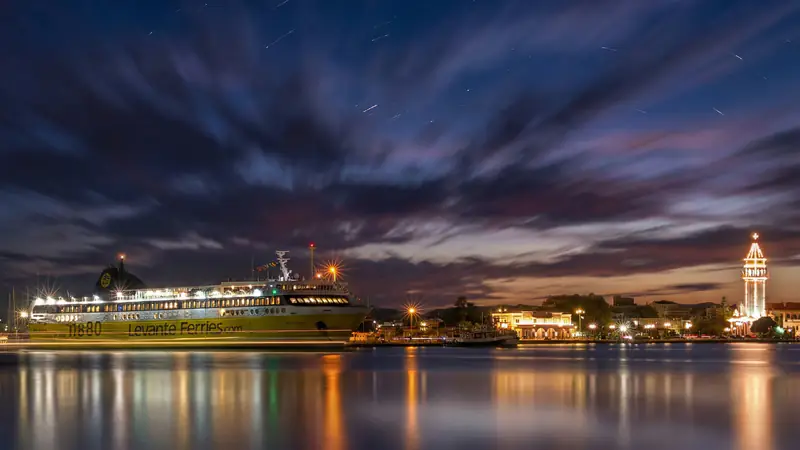
Explore ageing, movement and flows across regions and islands.
Stress-test plans and portfolios against changing conditions.
We gather open data, organise it into a model of the system, run many scenarios and present the results in plain language and maps. Each step records its sources, assumptions and limits, so anyone can check how a result was reached. As time passes, we compare forecasts with what actually happened.
Open public datasets plus partner data, checked and documented at the source.
A structured model of the system and how its parts affect each other.
AI runs many possible futures and shows the spread, not one answer.
Clear outputs for planners, researchers and investors, with assumptions shown.
 Photo: Taylor Vick · Unsplash License
Principles we follow
Greece packs islands, mountains, dense cities and seasonal populations into one territory. That makes it demanding to model and a strong place to start. We begin where we know the ground, then expand.
If a twin works here, it can work elsewhere.
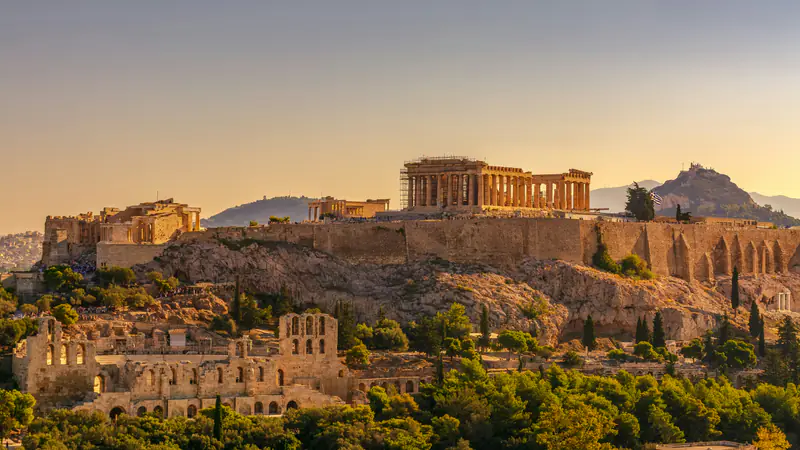 Photo: Constantinos Kollias · Unsplash License
Twins combine sensitive data about infrastructure, populations and businesses. We protect it as if it were our own, with encryption, least-privilege access and a full audit trail. We are at concept stage, so we describe principles and do not claim certifications we do not hold yet.
 Photo: Denny Müller · Unsplash License
Data encrypted in transit and at rest.
Each partner sees only their own project.
Personal data minimised and handled in line with the GDPR.
Every dataset, model run and change is logged.
Notes on digital twins, natural hazards and the science of forecasting, with a source for every claim. We write about Greek wildfires, floods, urban heat and population change, and about the methods behind scenario analysis.
A plain guide to digital twins: what they are, how they differ from a map, and what the EU's Destination Earth shows about where they are heading.
2026-11-03 · 5 min read
In 2023 a fire in Evros, Greece, became the largest EU wildfire recorded since 2000. What it shows, and where digital twins can help planning.
2026-11-03 · 5 min read
Why good forecasts give ranges, how the IPCC turns words like "likely" into probabilities, and what research says about forecasting better.
Greece wildfires: how the official daily fire risk map works, what categories 1 to 5 mean, and how it differs from a long-term exposure model.
2026-11-04 · 5 min read
Storm Daniel brought record rain to Thessaly in September 2023. What Copernicus EMS mapped during the Greece floods, and the lessons for flood planning.
2026-11-04 · 6 min read
What the urban heat island is, what studies show for Athens and Thessaloniki, why hot nights matter for health, and what cities can do about it.
2026-11-04 · 5 min read
Greece population in 2026: the 2021 census counted 10.48 million, 3.1% fewer than 2011. What Eurostat projects for 2050 and 2100, and what ageing means.
2026-11-04 · 6 min read
The name
Warnings often exist, but they do not convince. That is why we build forecasts that can be checked: we show the data, the assumptions and the uncertainty, so that whoever decides can trust what they see. Our story →
Researchers, municipalities, public bodies and businesses: join the waitlist or apply to be a pilot partner.
Concept stage. No product is live yet.