Use case 05
Business & investment. Stress-test the plan, not just the spreadsheet.
A hotel, a vineyard, a warehouse or a portfolio all depend on the world around them: weather, water, roads, workers and customers. A business twin links your assets to those conditions and shows how they could hold up across scenarios.
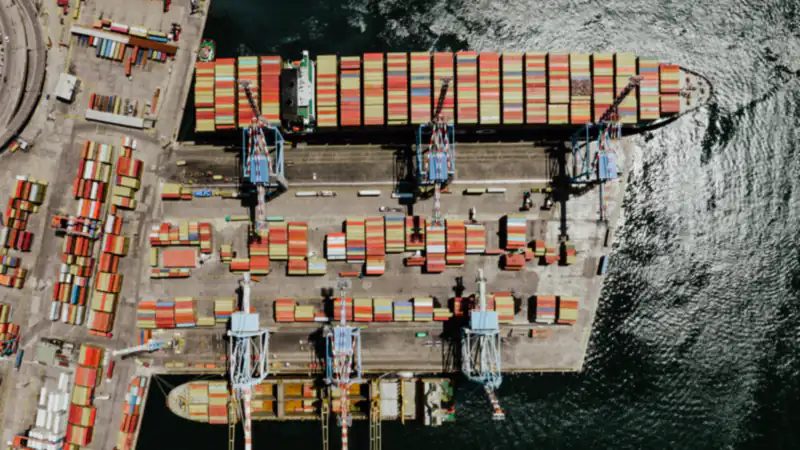 Photo: K (@kelly) · Pexels License
01 · The questions
Climate risk modelling. The questions a business asks.
Climate risk modelling for a business starts with its own sites, routes and customers. These are the kinds of questions a business twin would explore across climate, demand and population scenarios. The results would be research for planning, not investment advice.
What happens to demand if the local population or tourist season changes?
Which suppliers or routes are single points of failure?
02 · What the twin would model
Climate stress test. What the twin would model.
A climate stress test links your assets to the conditions around them: hazards at each location, trends in each market and the infrastructure in between. Climate scenario analysis then shows how those links could hold up as conditions change. Every scenario states its assumptions.
Layers
03 · Audience
Climate scenario analysis for decision-makers. Who it is for.
A business twin is meant for people who decide where to build, buy, insure or lend. It shows exposure under several scenarios; the decision stays with you.
- Companies planning new sites
- Real-estate and infrastructure investors
- Insurers
- Lenders
- Analysts
04 · Public sources
Public sources we plan to start from.
We plan to start from open public data and add partner data only with clear agreements. For each dataset we record where it came from, when it was updated and what its limits are.
Listing a source does not mean we have a partnership with it. These are public datasets we plan to evaluate.
05 · Research
From our research.
Background reading from our research notes, with a source for every claim. These articles explain the public data and the methods behind this use case.
Methods
What-if analysis vs scenario analysis: a plain guide
What-if analysis vs scenario analysis: what each one is, when to use which, and simple examples for a municipality and a business.
2026-11-04 · 5 min read
Climate & water
Water shortage in Greece: what the data says, and how scenarios help
What is water shortage, and how serious is it in Greece? Official EYDAP reservoir data for Attica, EU indicators, and why scenarios beat one forecast.
2026-11-04 · 5 min read
Forecasting
How to read a forecast: when "likely" is a number
Why good forecasts give ranges, how the IPCC turns words like "likely" into probabilities, and what research says about forecasting better.
2026-11-03 · 4 min read
06 · Questions
Business & investment. Frequently asked questions.
Short answers to common questions, based on the public sources cited on this site. If yours is missing, write to us.
What is climate risk in finance?
It is the chance that climate-related hazards or changes reduce the value of assets, operations or loans: a hotel exposed to heat and drought, a warehouse on a flood plain, or a supply route that a wildfire could cut. Climate risk modelling links each asset to the hazards at its location and the trends in its market. Kassandra Labs builds research tools, not investment advice.
What is transition risk in climate change?
Transition risk comes from the shift to a lower-carbon economy rather than from the weather itself: changes in policy and law, technology, markets and reputation. The US EPA lists it next to physical risk. Our planned business twin focuses on physical exposure and on demand and population trends. Nothing we publish is financial or investment advice.
What are physical climate risks?
Physical risks come from the hazards themselves. Acute risks are events such as floods, wildfires and heatwaves; chronic risks are longer-term shifts such as sustained higher temperatures. In Greece, examples include Storm Daniel's floods in Thessaly and seasonal water scarcity in Attica. A climate stress test asks how a site, a supply route or a portfolio would hold up against them.
What is a climate risk assessment methodology?
Our planned approach starts from your own sites, assets and supply routes. It adds climate and hazard scenarios for each location, demographic and economic trends in each market, and the infrastructure in between. It then runs scenario analysis and shows exposure as a range, with every assumption stated. The decision about where to build, buy, insure or lend stays with you.
07 · Other use cases
Other use cases.
Every twin starts from a specific question asked by a real user. These are the other areas we are starting with.
Early access
Want to pilot this use case?
Tell us what you would like to model. Pilot partners help decide what we build first.
Concept stage. No product is live yet.